
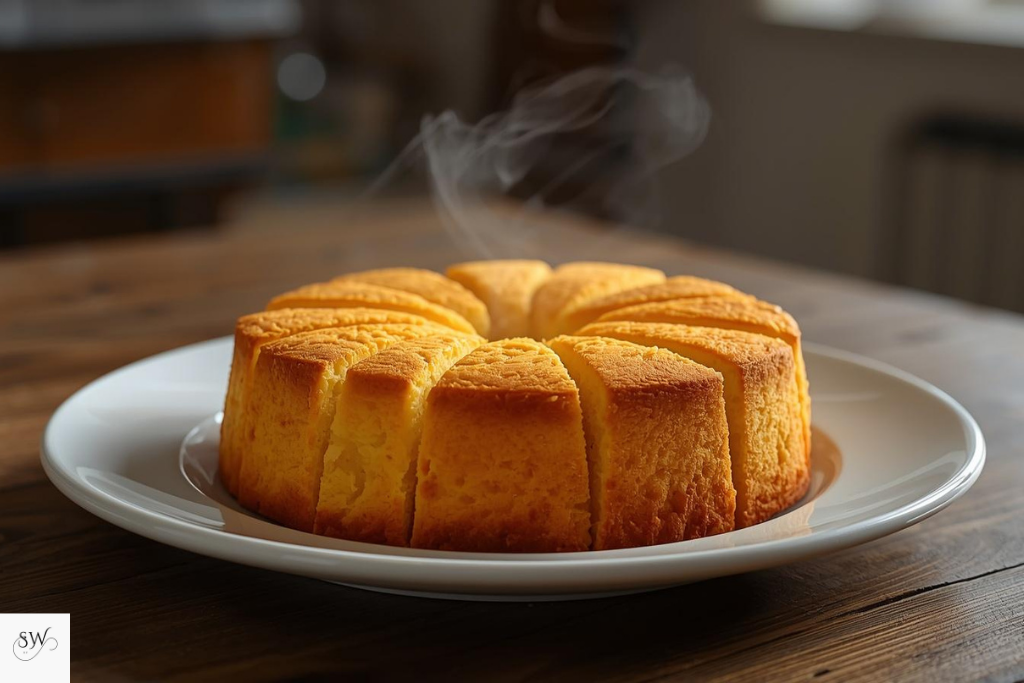
If you’ve been searching for the best Hatchet Hall cornbread recipe, you’re in the right place. There’s something incredibly nostalgic about a warm slice of homemade cornbread, but this version takes things to another level with its crispy edges and soft, buttery center. It’s the kind of dish that feels both simple and special at the same time.
The first time I tried a cast iron cornbread recipe like this, I was honestly surprised at how different it tasted compared to the usual versions I had grown up with. It wasn’t dry or crumbly. Instead, it was moist, rich, and full of flavor. That experience inspired me to recreate the best homemade cornbread in my own kitchen, and after many attempts, I finally got it just right.
If you’ve been searching for the best Hatchet Hall cornbread recipe, you’re in the right place. This recipe pairs perfectly with other breakfast classics like French toast, American pancakes, or cottage cheese egg bites for a complete morning feast.
What Makes This Cast Iron Cornbread Recipe So Special
What makes this crispy skillet cornbread stand out is the balance between texture and flavor. The edges turn golden and crisp, while the inside stays soft and tender. This is exactly what you want in a moist cornbread recipe, especially if you’re aiming for that restaurant-quality finish.
Unlike overly sweet versions, this southern cornbread recipe keeps things balanced. There’s just a touch of sweetness, allowing the natural flavor of cornmeal to shine. When you make cornbread with crispy edges, the technique matters just as much as the ingredients, and that’s where the cast iron skillet plays a key role.
Key Ingredients for the Best Buttermilk Cornbread Recipe
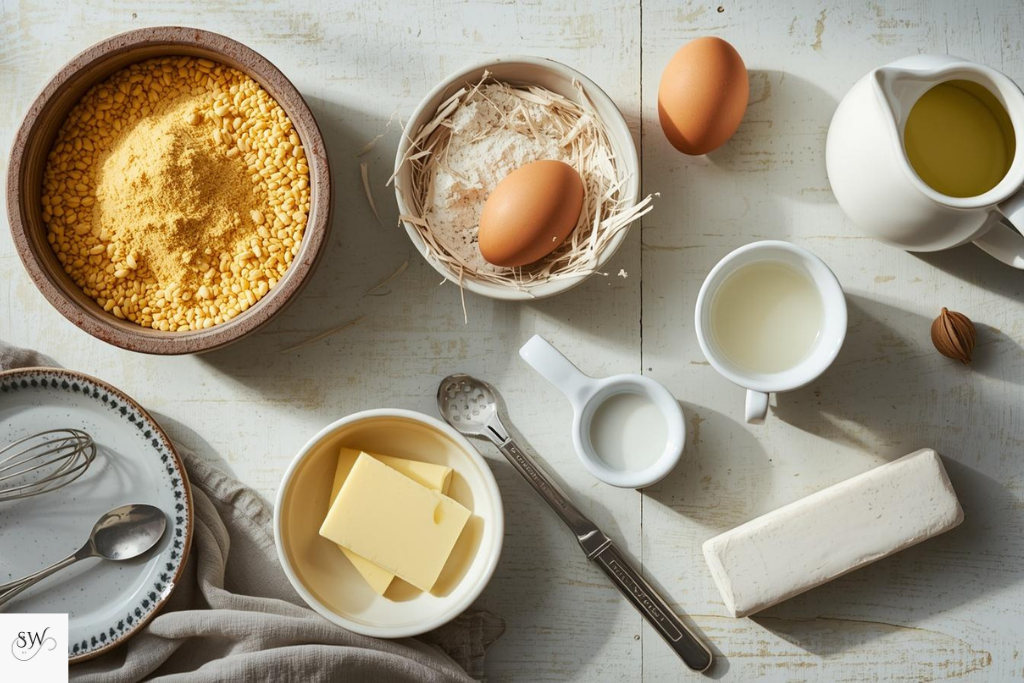
- Cornmeal – Gives cornbread its signature texture and rich corn flavor.
- All-purpose flour – Balances the crumb, making it lighter and less gritty.
- Buttermilk – Adds tanginess and keeps the cornbread moist and tender.
- Eggs – Provide structure and help bind everything together.
- Butter (or oil) – Adds richness and enhances flavor while keeping it soft.
- Sugar (optional) – Brings a hint of sweetness to balance the corn flavor.
- Baking powder (or baking soda) – Helps the cornbread rise and become fluffy.Salt – Enhances all the flavors and prevents it from tasting flat.
Equipment Required for This Homemade Hatchet Hall Cornbread Recipe
- Cast iron skillet – Essential for achieving the crispy skillet cornbread edges and even heat distribution.
- Mixing bowls – Needed for separating and combining wet and dry ingredients efficiently.
- Whisk – Helps blend ingredients smoothly and evenly for a consistent batter.
- Measuring cups and spoons – Ensure accurate ingredient quantities for the best homemade cornbread results.
- Spatula or wooden spoon – Useful for gently mixing the batter without overworking it.
- Oven mitts – Important for safely handling the hot skillet when removing it from the oven.
Recipe Overview
- Prep Time – About 10 minutes to mix ingredients and prepare the batter.
- Cook Time – Around 18–22 minutes until golden brown and fully baked.
- Total Time – Approximately 30 minutes from start to finish.
- Servings – Serves 6 to 8 slices, perfect for family meals.
- Texture – Crispy skillet cornbread edges with a soft, moist center.
- Flavor Profile – Buttery, slightly tangy, and lightly sweet for balanced taste.
Step-by-Step Guide to Making Hatchet Hall Cornbread Recipe
Preheat the Oven and Cast Iron Skillet
Start by preheating your oven and placing your skillet inside. This is one of the most important steps in any cast iron cornbread recipe. A hot skillet is what gives you that signature sizzle and helps create cornbread with crispy edges.
Prepare the Dry Ingredients
In a bowl, mix your cornmeal, flour, and other dry ingredients. This step ensures your easy cornbread recipe turns out evenly baked with the perfect texture.
Mix the Wet Ingredients
In another bowl, combine buttermilk, eggs, and melted butter. This mixture is what makes this a truly moist cornbread recipe, giving it that soft and rich interior.
Combine Wet and Dry Ingredients
Gently mix everything together until just combined. Overmixing can ruin the texture, and you want your best homemade cornbread to stay light and tender.
Heat Butter in the Skillet
Add butter to your hot skillet and let it melt completely. This step is key to achieving that classic crispy skillet cornbread texture that makes this recipe stand out.
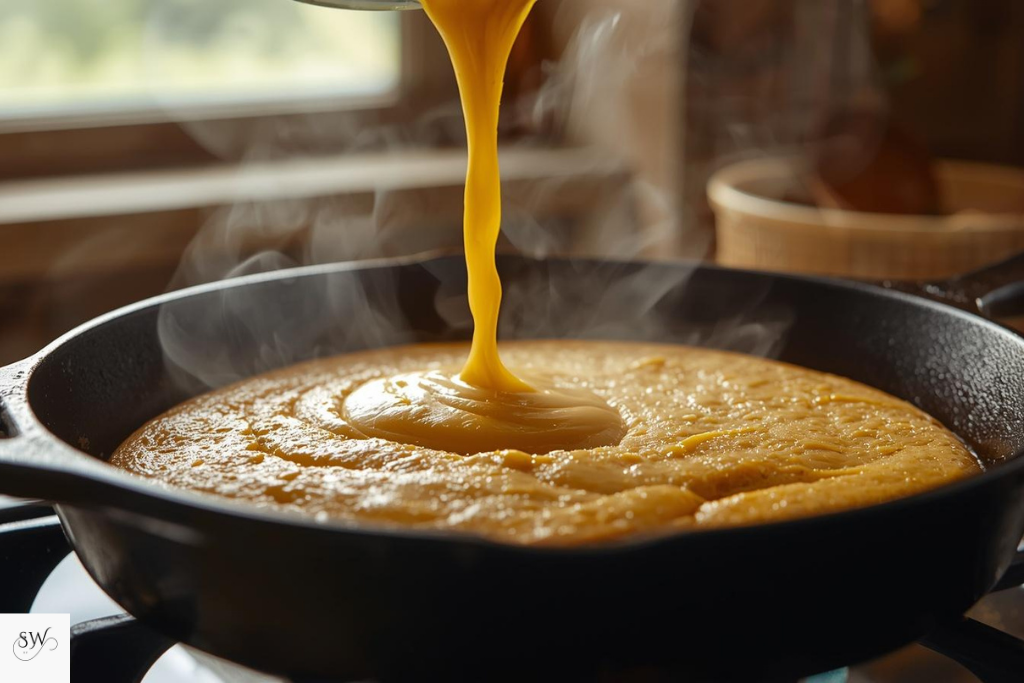
Pour Batter and Bake to Perfection
Pour the batter into the skillet and bake until golden brown. As it bakes, you’ll notice the edges crisping up beautifully, creating that perfect cornbread with crispy edges everyone loves.
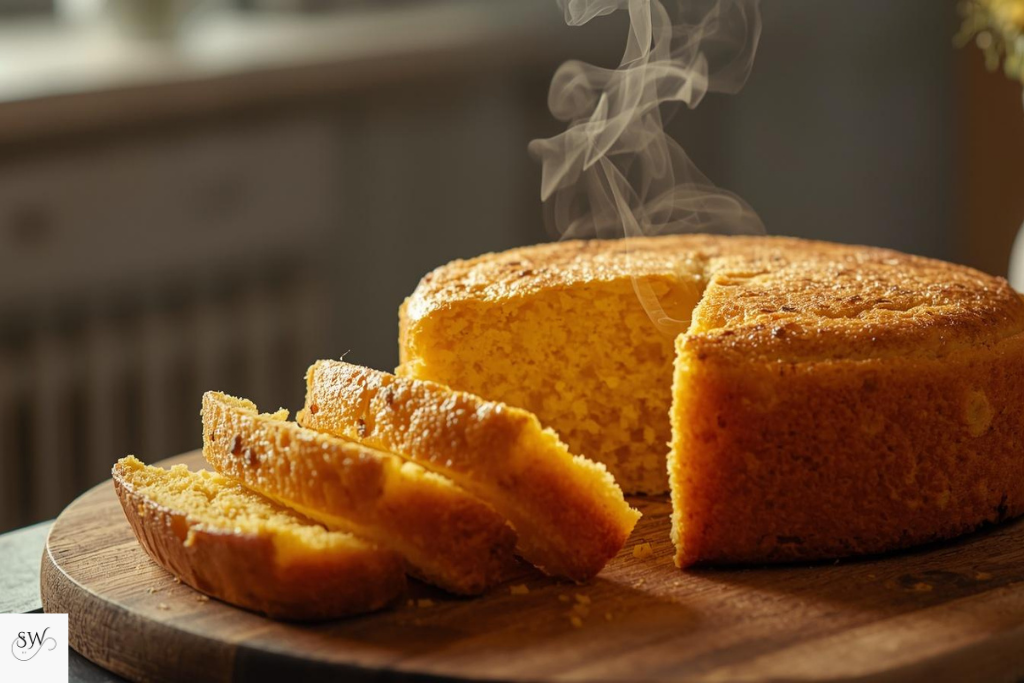
Let the Hatchet Hall Cornbread Recipe Rest Before Serving
Allow the cornbread to rest before slicing. This helps maintain the structure and ensures your homemade cornbread recipe turns out perfectly every time.
Tips for Achieving the Best Homemade Cornbread
From my personal experience, small details make a big difference when making the best buttermilk cornbread recipe. Always use real buttermilk if possible, as it enhances both flavor and texture. Keeping your skillet hot is another must if you want that authentic crispy skillet cornbread finish.
Avoid overbaking, as it can dry out your cornbread. The goal is to keep it soft and rich, just like a proper moist cornbread recipe should be. Letting it rest after baking also improves the final result.
If you love baking with cast iron, try other recipes like skillet brownies, French toast, American pancakes using the same skillet techniques.
Flavor Variations for This Easy Cornbread Recipe
One of the reasons I love this easy cornbread recipe is how flexible it is. You can easily adjust it to suit your taste. Adding honey creates a slightly sweeter version, while cheese and peppers turn it into a savory delight.
No matter how you customize it, the base remains the same—a reliable southern cornbread recipe that delivers consistent results every time.
What to Serve with Cornbread with Crispy Edges
This cornbread with crispy edges pairs perfectly with hearty meals. It works especially well with rich and flavorful dishes, adding a buttery contrast that enhances the overall experience.It works best with healthy caesar chicken high protein.
In my own kitchen, I often enjoy this best homemade cornbread on its own, warm and fresh, sometimes with just a bit of butter. It’s simple, satisfying, and always a crowd favorite.
Serve this buttery, crispy skillet cornbread warm with a side of coleslaw or as a companion to a hearty lunch like biryani or tacos. It also makes a delightful side for shawarma wraps.
Storage and Reheating Buttermilk Cornbread
To keep your buttermilk cornbread fresh, store it in an airtight container at room temperature for up to two days. If you need it to last longer, refrigeration helps extend its shelf life up to a week while maintaining its soft texture.
For long-term storage, buttermilk cornbread freezes very well. Simply wrap it tightly and place it in a freezer-safe container to preserve its moisture and flavor for up to three months. Let it thaw naturally before reheating for the best results.
When it comes to reheating cornbread, the oven method works best for maintaining texture. Warm it at 300°F (150°C) for about 10–15 minutes, covering it lightly to prevent it from drying out.
If you’re short on time, the microwave is a quick and easy option. Heat the cornbread for 20–30 seconds, placing a damp paper towel over it to help retain moisture.
For extra softness and flavor, adding a little butter before reheating can make a noticeable difference. This simple step helps keep the cornbread moist and brings back its freshly baked taste.
Frequently Asked Questions About Buttermilk Cornbread
What is the secret to the best buttermilk cornbread?
The secret to the best buttermilk cornbread is using the right balance of cornmeal and flour, full-fat buttermilk for moisture, and not overbaking to keep it soft and tender.
Why is buttermilk important in cornbread recipes?
Buttermilk is important because it adds a rich tangy flavor and reacts with baking soda to create a light, fluffy texture.
Can I substitute buttermilk in cornbread without affecting taste?
Yes, you can substitute buttermilk with milk and lemon juice or vinegar, but real buttermilk gives the best flavor and texture.
How do I make moist buttermilk cornbread from scratch?
To make moist buttermilk cornbread, use enough fat like butter or oil, include buttermilk, and bake just until done to avoid dryness.
Is Southern buttermilk cornbread sweet or not?
Traditional Southern buttermilk cornbread is usually savory with little or no sugar, while other versions may be slightly sweet.
What type of cornmeal is best for homemade cornbread?
The best cornmeal for homemade cornbread is medium-ground cornmeal because it provides a perfect balance of texture and flavor.
Why does my buttermilk cornbread fall apart?
Cornbread may fall apart if there’s too much cornmeal, not enough eggs, or if it hasn’t rested long enough after baking.
Can I use baking soda instead of baking powder in buttermilk cornbread?
Yes, baking soda works well in buttermilk cornbread because it reacts with the acidity of buttermilk to help it rise.
How long should I bake buttermilk cornbread for best results?
Buttermilk cornbread should typically be baked for 20–25 minutes at 375–400°F (190–200°C) until golden brown and set in the center.How do you store and reheat buttermilk cornbread?
Store cornbread in an airtight container at room temperature for up to 2 days or refrigerate it, then reheat in the oven to keep it moist.
Final Thoughts on This Moist Cornbread Recipe
Making this Hatchet Hall cornbread recipe at home has been one of the most rewarding cooking experiences for me. It’s amazing how a few simple ingredients can come together to create something so delicious.If you’re looking for a reliable homemade cornbread recipe that delivers crispy edges and a soft interior, this is one you’ll come back to again and again. Once you master it, it easily becomes your go-to best buttermilk cornbread recipe for any occasion.